A post by
Lucia Baier
Content Manager
YONTEX GmbH & Co. KG
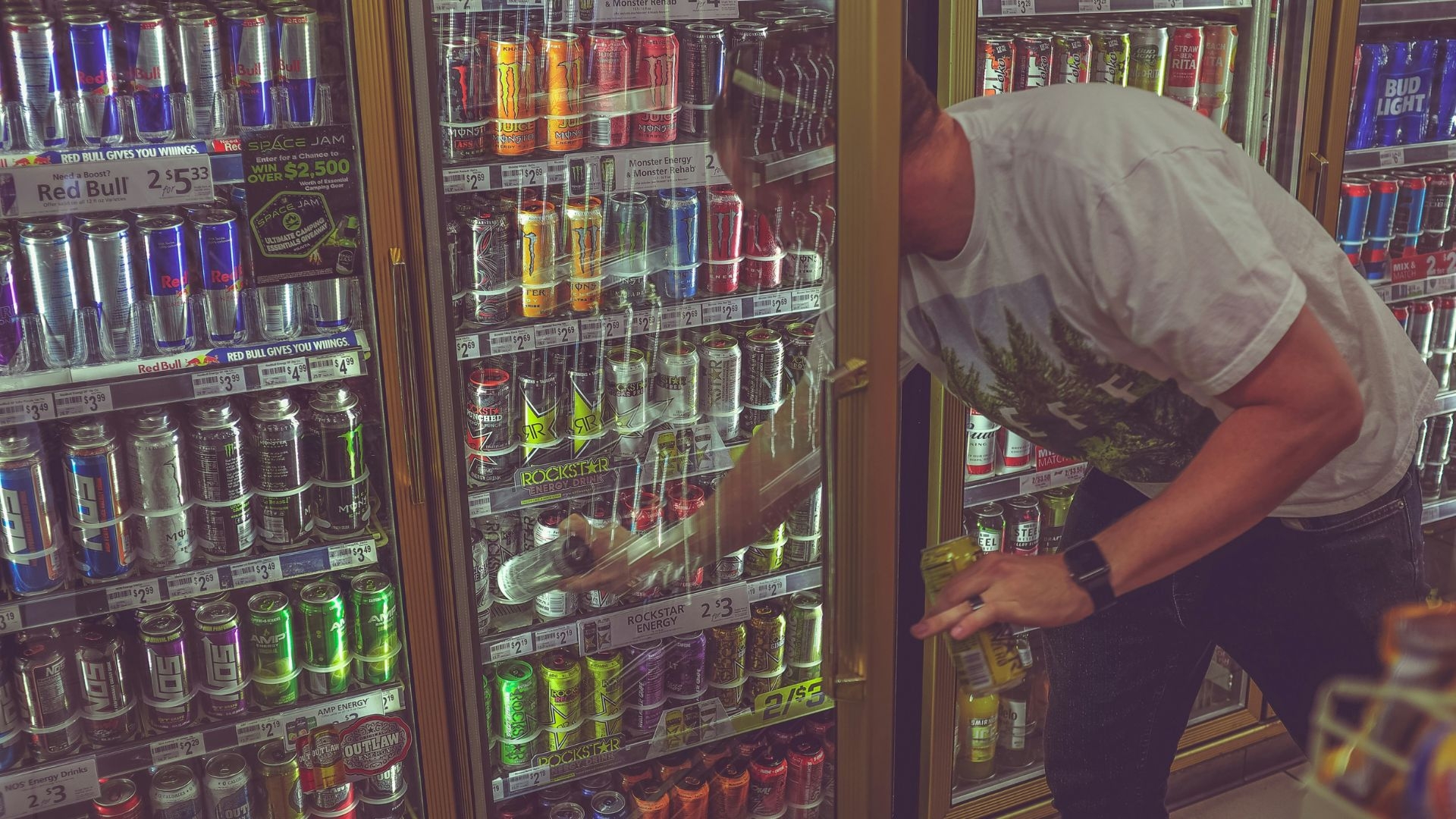
The drinks market in Northern Europe is undergoing noticeable change. Whilst alcohol consumption is stagnating or falling in many regions, functional drinks, energy drinks and non-alcoholic concepts are growing rapidly. At the same time, beer remains firmly established as an emotional and social product. Current market data from Scandinavia, the Baltic states, the UK and Ireland show how consumption habits are shifting – and what opportunities this presents for the drinks industry in Europe.
Released on 20/05/2026

A post by
Lucia Baier
Content Manager
YONTEX GmbH & Co. KG
The European drinks market is becoming increasingly diverse. This is particularly evident when looking at Northern Europe: whilst consumers are paying greater attention to health, performance and flexible consumption occasions, the need for community, reliability and emotional brand experiences remains high. This creates new challenges for beverage manufacturers – but also new growth opportunities.
Energy and sports drinks, in particular, are experiencing dynamic growth in many markets. According to Statista Market Insights, per capita consumption rose from 8.15 to 9.88 litres in the UK between 2018 and 2025, and from 5.3 to 7.46 litres in Ireland. Both markets are thus well above the European average of 6.44 litres per capita in 2025. The trend is even more pronounced in the Nordic countries. There, per capita consumption of energy and sports drinks stood at 11.26 litres in 2025, almost double the European average. Ready-to-drink (RTD) tea and coffee drinks are also growing rapidly.
The reasons for this go beyond traditional lifestyle factors. Consumers are increasingly seeking products that combine functionality, flexibility and individual benefits. Drinks are being chosen more on the basis of specific occasions and needs – for example, for energy, concentration, recovery or conscious enjoyment.
At the same time, non-alcoholic beers are continuing to gain relevance. The segment is growing particularly dynamically in the UK: per capita consumption of non-alcoholic beers rose by 72 per cent to 1.07 litres between 2018 and 2025 – starting from a very low level. Across Europe, the figure rose by 42 per cent to 2.7 litres per capita over the same period.
In the Nordic countries, consumption of non-alcoholic beers is currently still comparatively low. At the same time, this very fact highlights the category’s potential for growth. Opportunities are opening up for breweries to further develop their non-alcoholic ranges and tailor them more closely to different drinking occasions.
The Baltic markets are also developing with increasing dynamism. There, not only is the consumption of non-alcoholic drinks rising overall, but so too is openness towards new beverage categories and hybrid concepts.
Despite all the changes, beer remains deeply rooted in many markets. In the UK, per capita consumption remains at around 54 litres, and in Ireland at almost 63 litres.
The significance of beer has long since extended beyond the product itself. Especially in times of economic and social uncertainty, aspects such as community, atmosphere, origin and reliability are gaining in importance. Beer brands benefit from this because they can create emotional spaces – in the hospitality sector, at events or in social situations. “Beer brands are ideally suited to creating places, atmospheres and moods where a sense of community can be experienced and placed at the heart of the experience,” explains institute expert Paul Bremer of the rheingold Institute, “Beer brands and the hospitality sector should offer places that convey a sense of togetherness.”
Analyses by the rheingold Institute also show that consumers today are switching more frequently between different needs: on the one hand, they want to stay healthy, productive and flexible; on the other, they are consciously seeking shared experiences and emotional closeness.
This is also why, with all these new consumption trends, it is not a case of ‘either/or’ but of ‘both/and’. A functional drink in the morning to boost the immune system; an energy drink at lunchtime to stay focused at work; a protein shake after a workout; and in the evening, a wellness drink with herbal infusion to kick off the relaxation phase and promise a more restful sleep. And at the weekend, a (non-alcoholic) beer with friends in a bar or a glass of wine with a meal at a restaurant. This is not a contradiction, but the new reality for many consumers and a shift towards new expectations of drinks. “Consumption is less driven by traditional categories and more by individual needs, usage situations and additional functions,” says Bremer, describing the shift.
For manufacturers, this creates opportunities to further develop existing ranges and integrate new products into existing structures in a targeted manner. In future, beverage producers must be able to cater to many different needs in order to remain relevant to as broad a target group as possible.
Current developments affect not only product ideas but the entire beverage production process – from raw materials and recipes right through to bottling, packaging and plant technology.
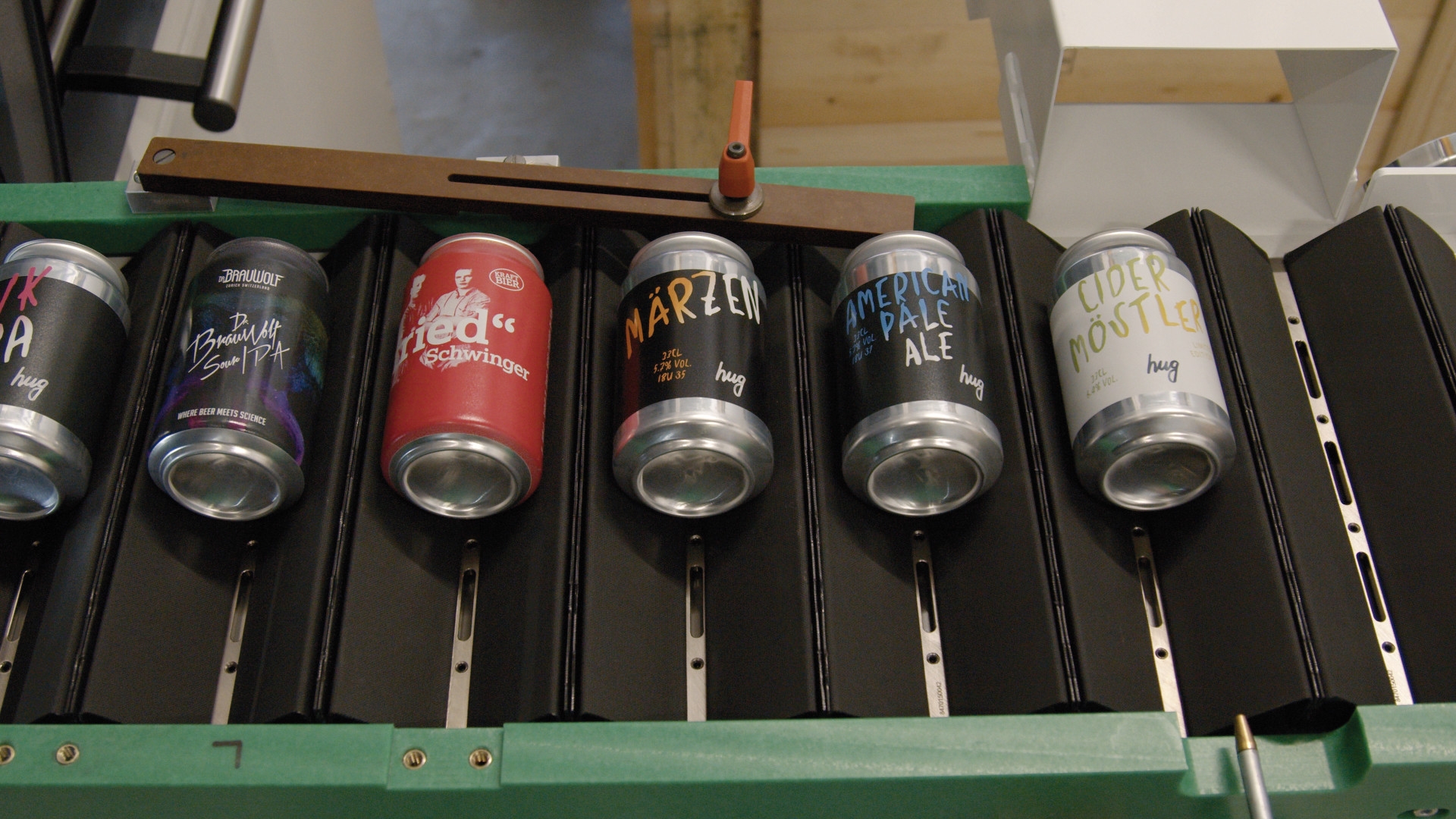
There is an increasing demand for flexible production solutions that can economically accommodate different beverage categories. Manufacturers must be able to react more quickly to market changes, test new products and cater to different consumption occasions.
It is precisely these issues that will be the focus of BrauBeviale 2026 in Nuremberg. The trade fair will address current market changes across the entire value chain – from non-alcoholic concepts and functional drinks to new requirements in production and process optimisation.
Machine translated.
Lot size 1
A post by Patrick Schweizer

precision fermentation
A post by Lucia Baier
Key topic of BrauBeviale 2026
A post by Dr. Jörg Bückle
Market analysis
A post by Lucia Baier
