A post by
Lucia Baier
Content Manager
YONTEX GmbH & Co. KG

Declining beer consumption, rising brewing costs, diverse challenges. Running a brewery is not particularly enjoyable at the moment. However, this is where this article stops complaining. Optimism is the order of the day. How can value creation for breweries look in the future and be enjoyable? The good news is that exciting approaches and new ideas on this very topic already exist. The pilot plants are up and running. Let's take a look at the future of breweries.
Released on 05/12/2025
A post by
Lucia Baier
Content Manager
YONTEX GmbH & Co. KG
‘Brewers can do (almost) anything; they are bioprocess engineers and fermentation technologists,’ emphasised Prof. Dr.-Ing. Thomas Becker, TU Munich, at the 1st Weihenstephan Entrepreneur Day of TUM Venture Labs in mid-October. He called for these skills to be fully exploited and for brewers to become more courageous and experimental.
What does he mean by that? Take a closer look, for example. There are 17 different enzymes involved in brewing. However, brewers focus almost exclusively on alpha and beta amylase and maltose. It is high time to look at other enzyme specificities and discover the potential they hold.
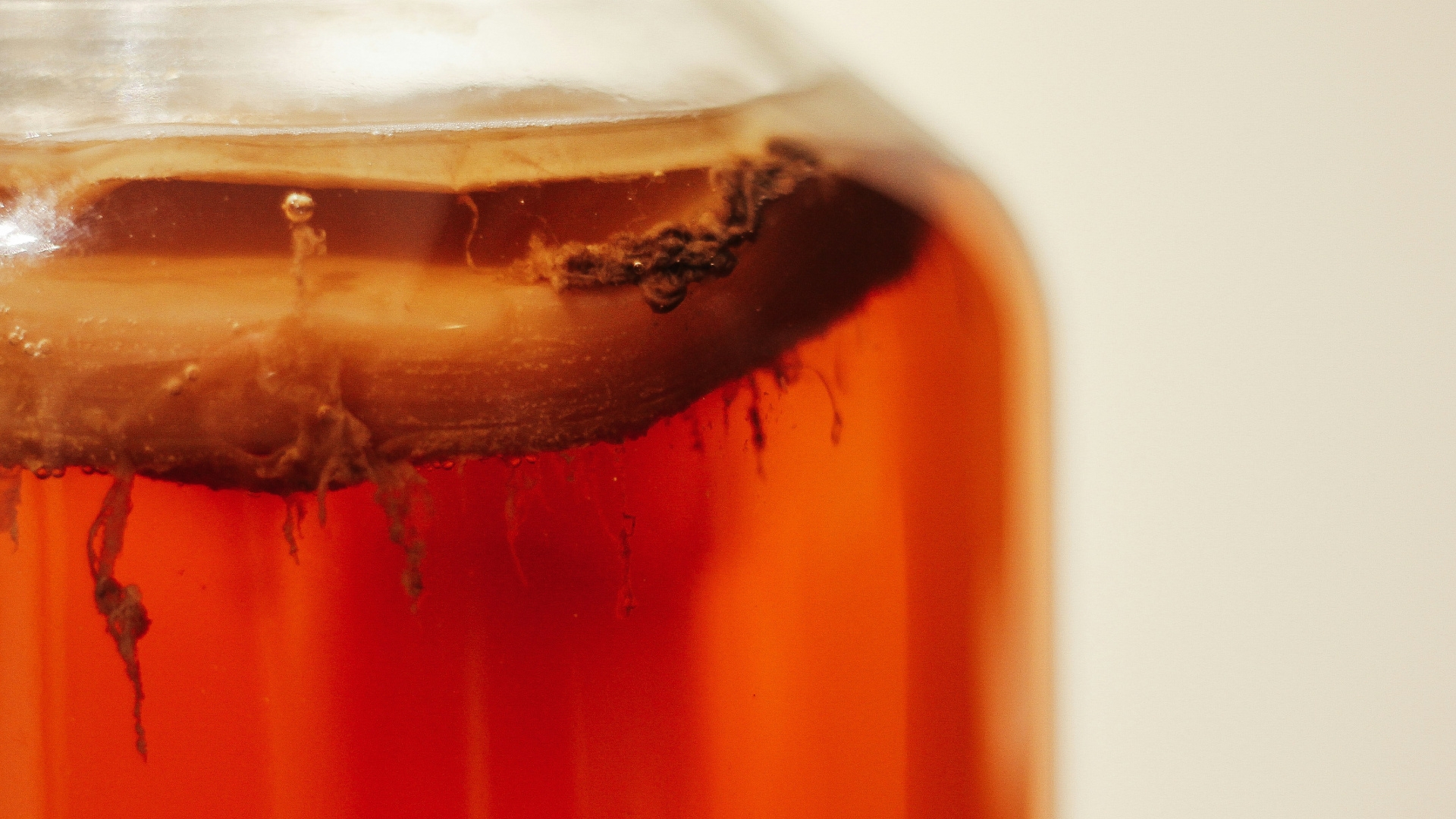
Or look beyond the plate or glass. Prof. Becker's second recommendation: ‘Don't just rely on one drink, but create a platform for variation.’ Water kefir, lupine lemonade and algae drinks are just a few of the beverage innovations from the BGT in Weihenstephan that show how diverse beverage production can become when you venture into alternative yeasts or other microorganisms. All of this can be done with a brewery's existing equipment.
Breweries are not left to their own devices in this endeavour. Collaborations with universities and research institutions or partners from the supply industry offer the opportunity to launch new projects and exploit the full range of beverage production in breweries.
‘Brewery by-products will become main products in the future,’ says Jürgen Nordmann, brewery manager at Störtebeker Braumanufaktur in Stralsund. Based on this conviction, the brewery initiated the Malt Fungi project. What is it all about? Beer spent grain is mixed with a fungus in a bioreactor, and submersible fermentation (fermentation in a liquid medium) produces valuable proteins – the proteins contained in the spent grain are upgraded to fungal biomass through fermentation. This biomass can then (after EFSA registration) be refined into meat substitute products. In cooperation with Prof. Dr Holger Zorn from Justus Liebig University in Giessen, Prof. Dr Leif-Alexander Garbe from Neubrandenburg University of Applied Sciences and other partners, what was initially a ridiculed idea has grown into a highly exciting project.
A pilot plant has now been set up at the brewery in Stralsund, a patent has been registered and the proteins have been processed into a food prototype (in bratwurst sausages) in Rostock. The spin-off company Eat Beer Biotech GmbH is now working on developing a modular container solution from the pilot plant, which could potentially be installed at many breweries.
Decentralised production is the keyword here, because spent grain is highly perishable. The start-up Circular Grain, founded by students at the Technical University of Munich, is also facing this challenge. Circular Grain has also recognised spent grain as an excellent raw material and uses it to produce a milk alternative in a specially developed process. The spent grain milk can compete with oat or soy milk in terms of taste and ingredients. It can also be advertised as a way of putting barley or malt into a second value-added process.
Breweries not only produce spent grain, but also ethanol from dealcoholisation or CO2 and yeast. Numerous brewery by-products are just waiting to be turned into new products by resourceful bioprocess engineers.
The variety of products that can be produced in a brewery is wide. It becomes even wider when you delve deeper into the topic of precision fermentation. Precision fermentation is a process for producing proteins without the use of animals. To do this, a DNA sequence is introduced into a microorganism, such as yeast or a fungus, which forms the target protein. In a bioreactor, a high-tech stainless steel tank, the organisms then grow very quickly under controlled conditions, after which the target proteins are isolated and further processed.
Chocolate with protein sweetener sugar substitutes and milk proteins from fermenters, coffee drinks without coffee beans and the first attempts at cultured meat are already available on the market. The USA and Asian countries are already one step ahead in this development, but Tatjana Krampitz, Head of Technology Management New Food at GEA, is certain that this is the future, even in Europe. She and her team at GEA are overseeing a pilot plant that houses bioreactors and the associated process technology. It enables companies to test on a small scale whether their product ideas work technically – the so-called proof of concept. The aim is to use this technology to ‘feed more people with fewer resources,’ says Krampitz.
The EU is working on a protein strategy, and the Netherlands already has one. The topic is currently gaining momentum. It is high time to prepare for the protein transition.
In the future, breweries may produce milk proteins in addition to beer, cultivate algae or produce vitamins and minerals for dietary supplements. Admittedly, it still takes a little imagination and, above all, courageous entrepreneurs who dare to take this step into the future. However, these prospects already give cause for optimism about the future of the brewing industry.
Beyond beer
A post by Andreas Brandl
Key topic of BrauBeviale 2026
A post by Dr. Jörg Bückle

Artificial Intelligence
A post by Thomas Birus
Lot size 1
A post by Patrick Schweizer
