A post by
Yogender Malik
freelance writer specializing in Indian and South Asian industry
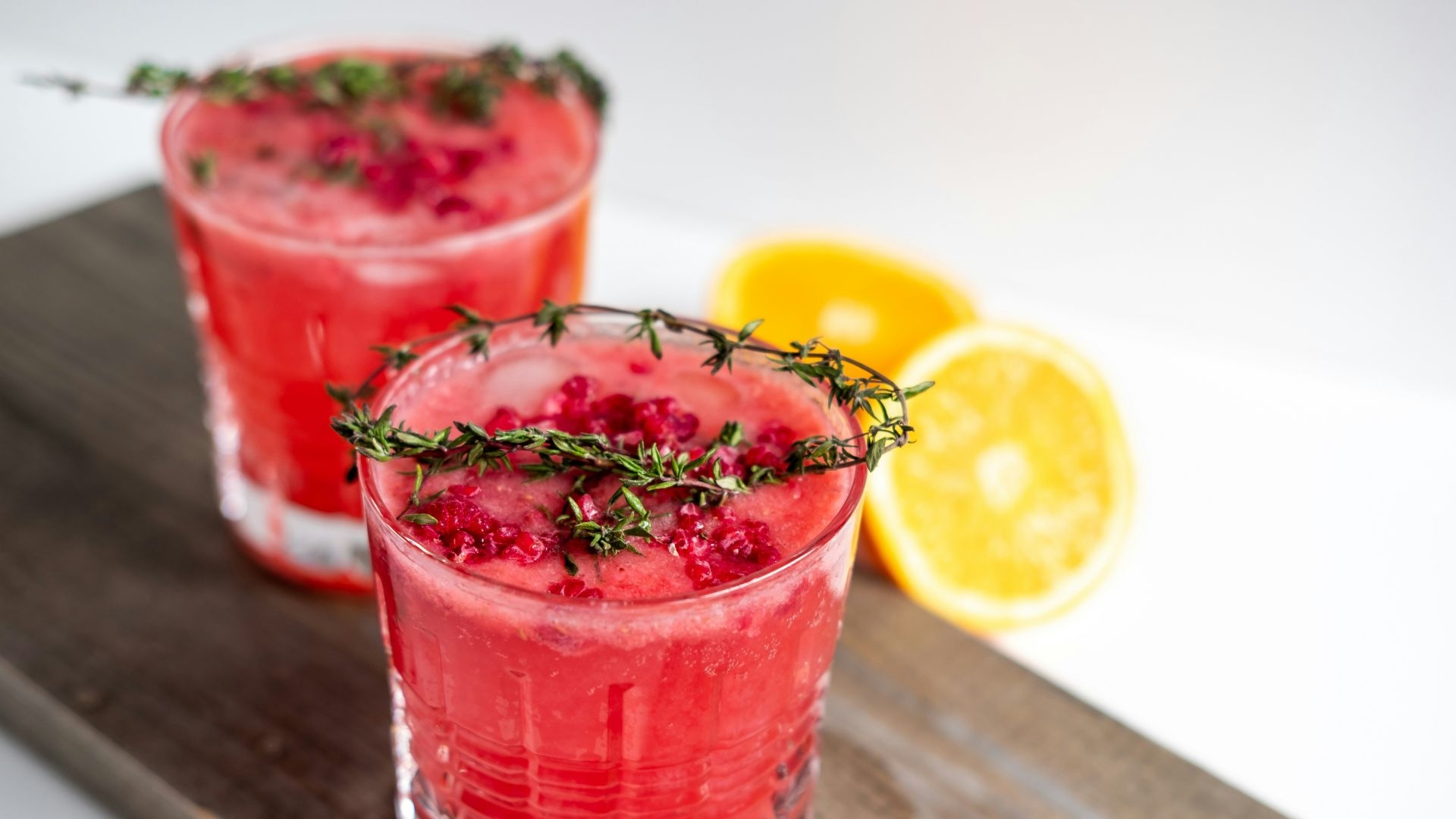
United Arab Emirates (UAE) is one of the most interesting markets for mocktails in the Gulf Cooperation Council (GCC) region. Driven by high-income population, robust restaurant & hotel industry, and robust tourism sector, a steady growth shaped this segment in the past two decades. This article presents an overview of mocktail market and key trends shaping it in the UAE in this feature.
Released on 26/02/2026

A post by
Yogender Malik
freelance writer specializing in Indian and South Asian industry
UAE is one of the largest beverage markets in the GCC region. Non-alcoholic beverages dominate the overall industry, as being a predominantly Muslim country, alcohol consumption is nearly negligible. There are a number of factors, which makes the UAE’s market irresistible for the beverage industry. The region’s hot weather naturally creates demand for cold drinks. The public consumption of alcohol is extremely limited, if not totally forbidden, in the Emirates. Thus, on all the occasions, the choice is between mocktails, fruit juice, energy drinks and carbonated drinks.
UAE accounts for about 22 % of the 18 billion liters soft drinks market of GCC. Saudi Arabia with a share of 65 % in the overall industry is the largest consumer in the region. Country’s mocktail industry holds great future promise of development.
Packaged water, tea and coffee, carbonated beverages, and mocktails are the largest beverage categories in United Arab Emirates. Other significant beverage categories in UAE include dilute drinks, non-alcoholic beverages, iced tea, sports drinks and energy drinks.
Dilute drinks, which had significant volumes a decade back are registering a steady decline and are largely consumed in the month of Ramadan, a one month fasting period, when traditional drinks are favoured.
There was a time when mocktails were an afterthought – an obligatory menu inclusion for the non-drinker & youngsters. But times have changed. Mocktails are not a mere complement to the menu. In fact, these carefully crafted beverages have emerged as standalone expressions of creativity, mood, and memory. Menu mentions of these drinks have registered phenomenal growth.
Consumption of mocktails has registered steady growth in the UAE during past two decades. The market is driven by rising health consciousness, wellness trends, and a cultural shift towards moderation, with consumers seeking sophisticated, flavorful non-alcoholic alternatives in both ready-to-drink (RTD) and bar-prepared formats.
Key segments include RTDs, with flavored options dominating, and artisanal, botanically-infused, or low-sugar varieties appealing to health-focused drinkers, with major brands and innovative players expanding offerings.
Abdul Rahim, a mixologist at Ras-Al-Khaimah based popular restuarnt Karma Café says, “About a decade and a half back, when our restaurnt started to offer complex, booze-free cocktails, only a handful others in the city were doing the same. Nobody really believed in it, it wasn’t popular: Why would I pay 30 dirhams for a glass of juice? Now things have changed. Consumers have started demanding these drinks.”
He further says, “Absence of alcohol in the Emirates doesn’t mean that restaurants can’t develop delicious, premium, alcohol-free beverages that their customers are willing to pay for. In fact, mocktails and their popularity have swept the Emirates beverage industry during last few years.”
Citrus flavours are one of the most popular mocktails flavour in UAE. As consumers seek vibrant profiles, mocktails based on these flavours have become hugely popular. From pink grapefruit to yuzu, these flavors continue to resonate in mocktails, especially among younger drinkers looking for a natural non-alcoholic beverage.
Vinay Jolly, a Dubai based non-alcoholic beverage programme consultant, who has assisted a number of restaurants in the Emirates to set up their mocktail menu says, “Mocktails are often treated as second-class citizens in the beverage industry, usually buried on the last pages of a menu. However, things are changing fast. From a well-illustrated menu to informed staff who are well versed with the details, mocktails are getting a lot of attention due to changing profile of customers. Consumers in UAE like their mocktails with a bit of a kick – otherwise they feel they are sipping a fortified fruit juice.”
Millennials and Gen-Z are currently the largest consumers of these drinks. Popularity of mocktails among this sub-segment of population has encouraged small restaurants and café owners to have these drinks in their menus.
Vibrant hospitality industry is the most important reason behind the increasing popularity of mocktails in UAE. Earlier available only at big hotel chains and premium restaurants, mocktails are increasingly making their appearance in the menus of smaller hotels, restaurants and even in some roadside kiosks.
The Emirate’s hospitality market continues to grow, with 11.17 million international visitors arriving between January and July 2025, up 5.2% from the same period last year. Dubai was the seventh most visited city in the world in 2024, welcoming a record 18.2 million tourists and being named the most popular global tourist destination by Trip Advisor for a third consecutive year. About 27% of visitors came from the Middle East & Africa Region (MENA) and the GCC, followed by Western Europe (21%), Eastern Europe (15%) and South Asia (15%), cementing Dubai’s position as one of the most popular global tourism hotspot. Dubai International has been the world’s busiest international airport for the past 11 years, with a record 92.3 million passengers.
Tourism has a huge contribution in the Emirates economy. In 2024, tourism contributed Dh236 billion (up from Dh220 billion in 2023) to the UAE’s economy, representing 12% of the nation’s GDP. This growth highlights the sector's significant impact, reinforcing its vital role in the country’s economic expansion.
Emerging trends such as food markets (a large sub-segment for the mocktails) offering a variety of international cuisines, food trucks, and healthy beverage drinks options are gaining popularity across the UAE. In 2024, the hotel, restaurant, and institutional (HRI) market was valued at USD 14.3 billion, an increase of nearly 17% from 2023.
Government statistics indicate that there are over 30,000 food outlets across the UAE, with approximately 60% located in the Emirate of Dubai. The UAE foodservice market is segmented by structure into independent and chain restaurants, and by type into full-service restaurants, limited-service restaurants, quick-service restaurants (QSRs), cafes and bars, as well as street stalls and kiosks.
UAE’s mocktail industry is highly varied as a result of its population composition. The UAE population is mostly made up of foreign residents. At the end of 2024, approximately 87% of the country’s 11.4 million inhabitants were expatriate workers from Asian and Western countries.
These foreign residents generally fall within one of the following two key groups: the largest group, mostly made up of low-income labourers, generally from India, the Philippines, Pakistan, and Bangladesh; and a smaller group of professionals with high disposable income, often from Western countries or other parts of the Middle East. On an average, these residents stay in the Emirates from a period of three years.
The popularity of non-alcoholic cocktails has significantly increased in UAE in the last two decades. In a country renowned for its opulence, taste, and luxury, leading hotels & restaurants are trying to outdo each other by offering premium mocktails.
Creating a mocktail is not as simple as it appears to a number of consumers. It demands a different mindset. In case of UAE, the challenges in creating unique mocktails are immense as there are no spirits to anchor the profile so flavour must lead. Texture, temperature, balance, and aroma all take on heightened importance.
The number of health-conscious consumers in the UAE is steadily increasing, with a growing demand for nutritious products. Interest in organic, sugar-free, and natural products has risen significantly in recent years. Additionally, there is a gradual shift in consumer preference toward locally produced items.
Anita Rajgopalan, Food & Beverage Manager with a leading hospitality chain in Dubai says, “Driven by value-conscious Gen Y and Z consumers, that means a growing preference towards high-end hospitality, cruises, and fine dining over past trends of ‘conspicuous consumption’, with traditional luxury food & beverage products accounting for around a third of the total spend, UAE’s mocktail market is growing very steadily for the past five years.“
She further adds, “In addition to domestic consumers, the Middle Eastern countries- particularly the UAE- have become a hotspot for wealthy European, American and Asian nationals that have been eager to find places they can spend their money, so price tag is not a criterion for these consumers.”
There are some incredibly exotic varieties of mocktails served in UAE that boast ingredients, an outsider would never have thought of putting in a drink – including camel milk, dates, goat’s cheese, hot chillies, spices and even gold and silver dust.
Famous Indian restaurant, Tamba serves a number of exotic mocktails. Located on level six of ‘The Hub’ at ‘The Mall’ in the World Trade center in Abu Dhabi (WTCAD), mocktails at Tamba are inspired with names such as Dragon Flower, the Kolkata Libation, and the Telengana. The Jagger Jam Pot, which is light, spicy, fortifying, and fiery, is made with guava juice, jiggery syrup, lime juice, masala syrup and cinnamon. It is served on a pile of ice.
Amazonico, a Latin American restaurant in Dubai’s financial district, offers some unique mocktails. The cocktails come custom glassware, such as the Restaurant’s bestselling mocktail Jaguarete, is a mix of papaya, tangerine, salted cashew, which is served in the sculpted head of a jaguar.
Luxury in the UAE has never been static. In a country, which is constantly pushing the boundaries to set new global standards, UAE has set a world record for unveiling the most expensive mocktail in the world, priced at a jaw-dropping 12,099 Dirham (nearly 3300 USD).
The launch, which took place at Jimmydixs Restaurant and Lounge, at Barcelo Hotel, Al Jaddaf, celebrated not just a beverage, but a bold statement of taste, luxury, and Dubai’s signature flair for setting trends on a global stage.
What elevates this experience to legendary status is the presentation. The mocktail is served in a handcrafted pure silver glass, which is gifted to the guest as a takeaway collectible.
Mocktails have come a long way from being simple, boring non-alcoholic drinks. They are now exciting and innovative creations that cater to those looking for a refreshing beverage without the alcohol. Hotels and restaurants in UAE were far ahead than their counterparts in other countries to spot the demand for sophisticated mocktails, offering a diverse range of options that are just as visually appealing and flavorful as their alcoholic counterparts.
Mocktails are not a passing fad, but a long term shift in the Emirates beverage industry driven by changing consumer preferences and limited alcohol consumption due to various reasons. The popularity of these drinks opens new opportunities for restaurants, aiming to offer their guests quality and unique beverage options. Consumption and popularity of these drinks are expected to register healthy double digit growth in the foreseeable future.
Cannabidiol
A post by Nina Anika Klotz
Lot size 1
A post by Patrick Schweizer
precision fermentation
A post by Lucia Baier
Key topic of BrauBeviale 2026
A post by Dr. Jörg Bückle
