A post by
Dr. Jörg Bückle
Freelance author and industry expert
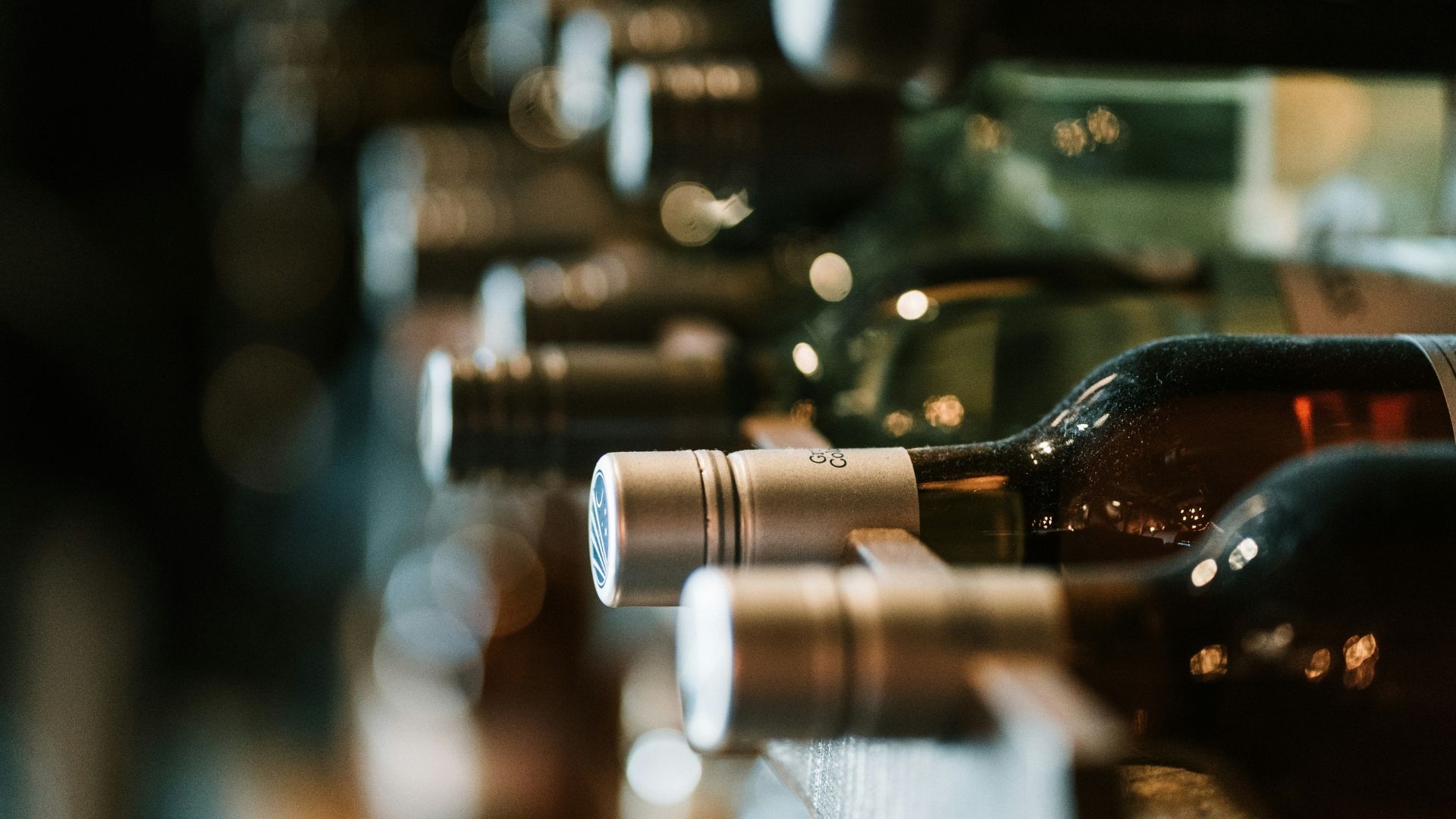
People who drink little or no alcohol often do not want to give up the pleasure of wine entirely. They look for alternatives. And these do exist: whether alcohol-free, fermented using alternative methods or made from infusions – producers have a wide range of new options for meeting this customer demand. And even when alcohol is involved, the luxury and exclusivity niches remain in the running.
Released on 20/05/2026
A post by
Dr. Jörg Bückle
Freelance author and industry expert
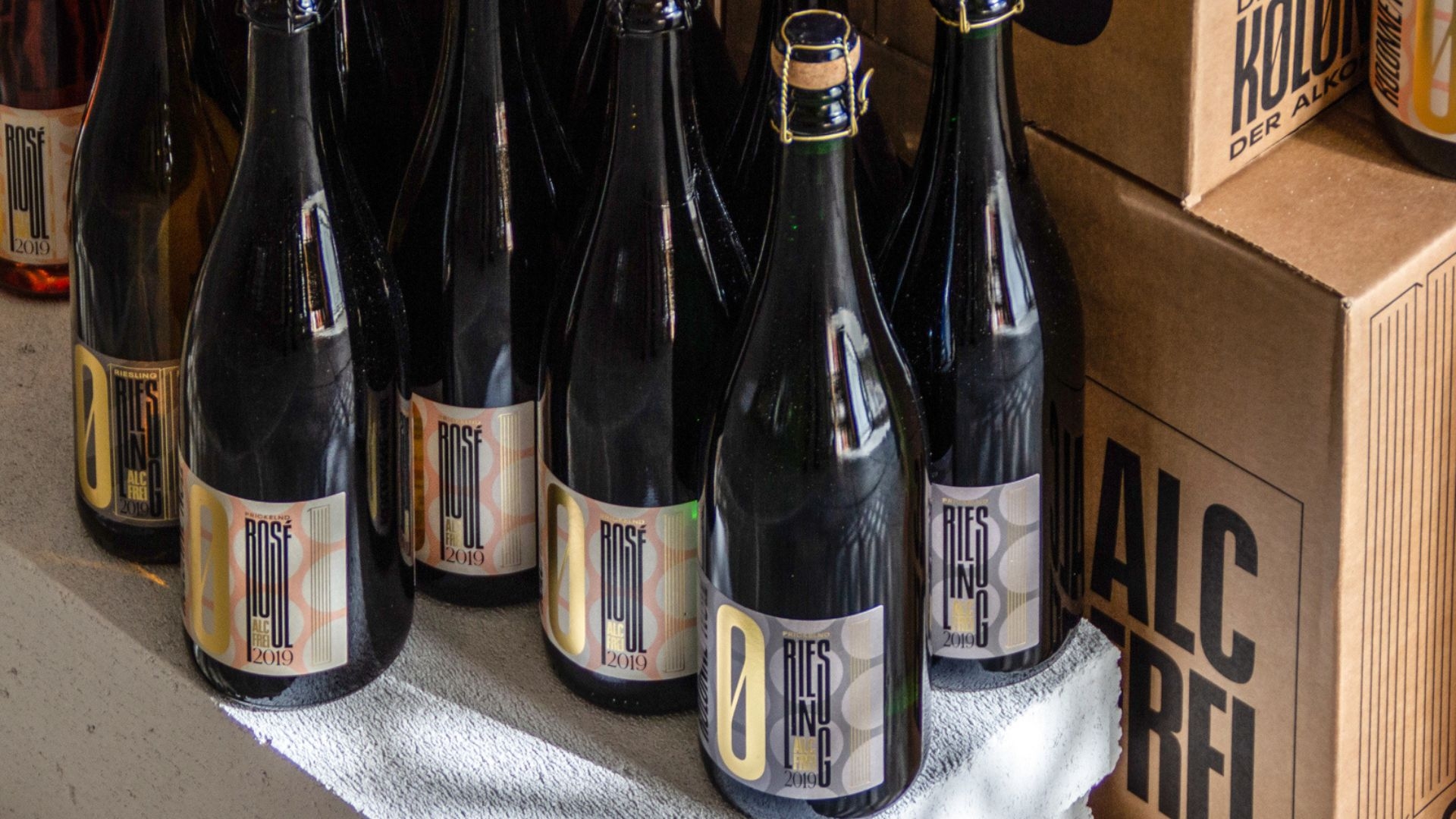
Enjoyment with no alcohol at all, or just a little? Let’s start with the classic: the dealcoholisation system. Here, the alcohol is removed from the wine after production. Once the alcohol content falls below 0.5% by volume, it can then be sold as alcohol-free.
This works very well with beer, even with alcohol content below 0.0% by volume. In the land of the German Purity Law, non-alcoholic beer is now the fastest-growing variety. With wine, it is more complicated. On the one hand, because wine contains more alcohol that needs to be removed. Furthermore, the carbon dioxide and, in the case of wheat beers, the yeast contained therein enhance the flavour profile and mouthfeel. This is lacking in wine.
However, with regard to the thermal or membrane-based processes on offer, enormous technical progress has also been made in the wine sector when it comes to the gentle separation of ethanol whilst simultaneously retaining aroma-active components. A fact that is reflected in the industry’s growing willingness to invest. For example, the Franconian Winegrowers’ Association (GWF) commissioned the first wine dealcoholisation centre in Bavaria at the Kitzingen-Repperndorf site in 2026. The gross investment amounts to around one million euros, and the production capacity of the membrane process is 10,000 litres per day. It is therefore clear that demand is expected to rise further.
The second way to reduce alcohol content is to prevent it from forming in the first place, or to form it in much smaller quantities. What isn’t there simply doesn’t need to be withdrawn – and this also eliminates the problem of flavour restoration. This is how so-called proxies came about, a new category of standalone, complex drinks. They are also based on ferments. However, fermentation does not necessarily have to produce mainly alcohol. Kefir, as well as kombucha, kvass or apple cider vinegar, are just four long-established products in this category.
For years, these certainly led a niche existence on health food shop shelves. But in the context of the ever-increasing popularity of ferments in modern nutrition – keywords: Scandinavian cuisine, Asian cultural sphere, longevity, microbiome – they are gaining immense popularity worldwide.
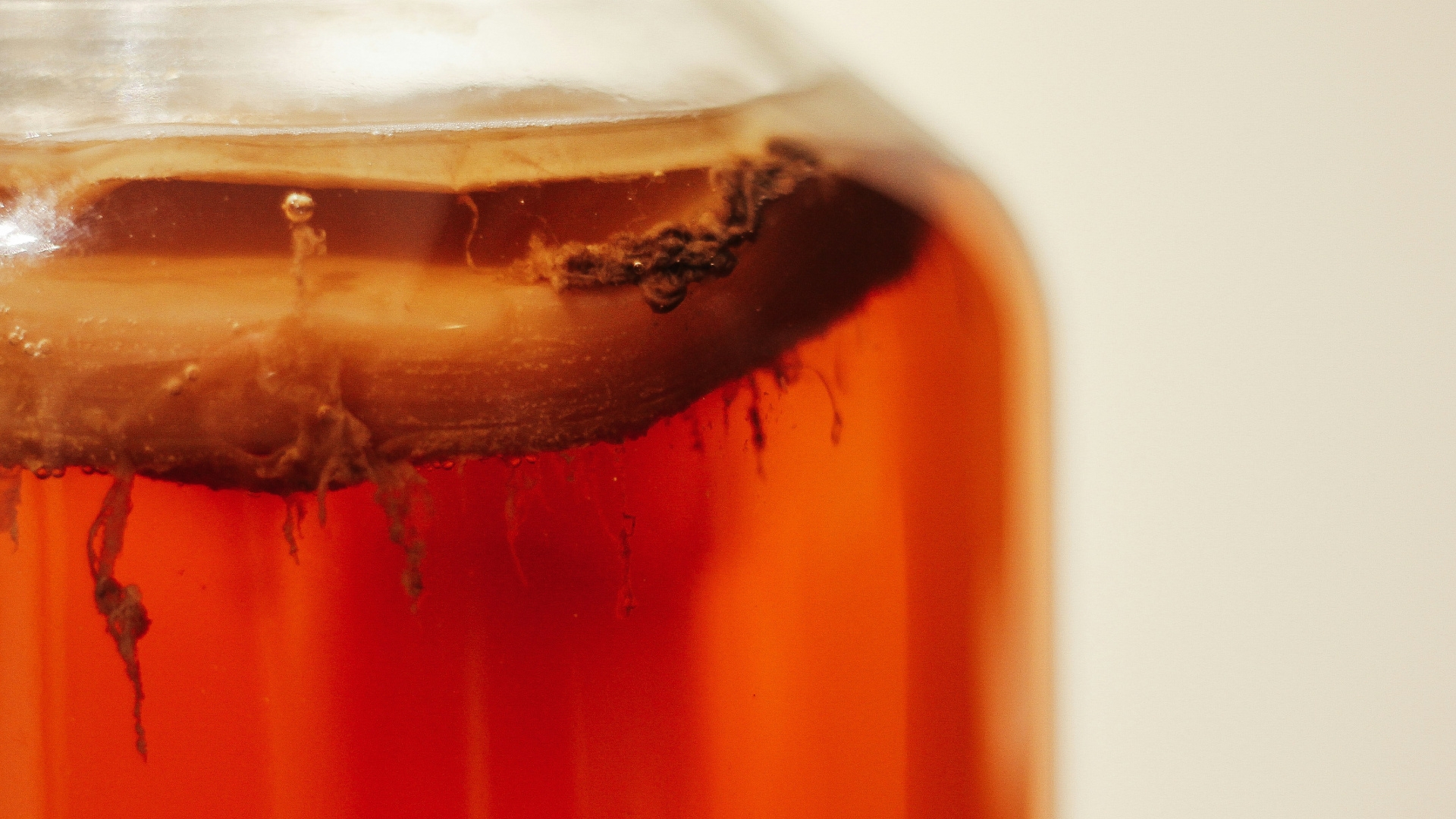
The first wineries have long been successfully working with kombucha-based cuvées made from grapes, field vegetables and herbs. “This creates lively ferments with structure, acidity and length, entirely without the technical intervention of dealcoholisation,” says, for example, Sven Leiner from the Leiner Winery in Ilbesheim, Palatinate. During such a kombucha fermentation, a symbiotic colony of bacteria and yeasts ferments the sugar into alcohol and natural carbon dioxide, whilst simultaneously transforming the alcohol into aromas and organic acids – this is also what creates the typical sour taste of kombucha.
In the US, “hard kombucha” is also quite popular. Unlike “soft” kombucha, this undergoes a second fermentation to convert sugar into alcohol, flavours and CO2, much like in sparkling wine. Although these products are then only reduced-alcohol, various yeasts – such as champagne yeast – can be used to create diversity in flavour.
Speaking of champagne: the London-based drinks start-up Bolledrinks claims to have developed the world’s first non-alcoholic sparkling wine with secondary fermentation and yeast ageing. The key to this is a special yeast that produces hardly any alcohol under controlled conditions. Incidentally, champagne is an excellent example of how the ‘exclusivity and luxury’ niche remains attractive. Provided, of course, that a supplier is able to play this card credibly with the necessary product quality and ‘heritage’. Champagne sales in Germany rose by 1.2 per cent in 2025, whilst turnover increased by 0.2 per cent over the same period. This made 2025 the third-strongest year for turnover in Germany since records began.
But back to the alternative ferments. Acetic acid bacteria from beehives can also help. These are adapted to high sugar concentrations, enabling them to survive in grape must and produce a unique spectrum of flavour compounds. Speaking of sour: verjus, the juice from unripe, green grapes, is also currently enjoying a revival as an alternative to vinegar and lemon. Verjus is less sharp than vinegar but more delicate than lemon – and offers consumers a new, natural option. Particularly in the alternative wine drinks segment.
Wine alternatives known as infusions or ‘sparkling teas’, on the other hand, do not involve any fermentation at all. Here, high-quality tea varieties are extracted with water, either cold or hot. There are already signs that mate, which is particularly popular in South America, could be the next big thing. Experiments with young leaves from regional grape varieties are also proving successful, which brings us full circle to the world of wine in a most interesting way.
These extracted base materials are then blended with natural flavours from herbs, flowers, vegetables or fruit essences and are often bottled carbonated. For many wineries, in terms of technical implementation and marketing, to put it quite simply: it’s not rocket science.
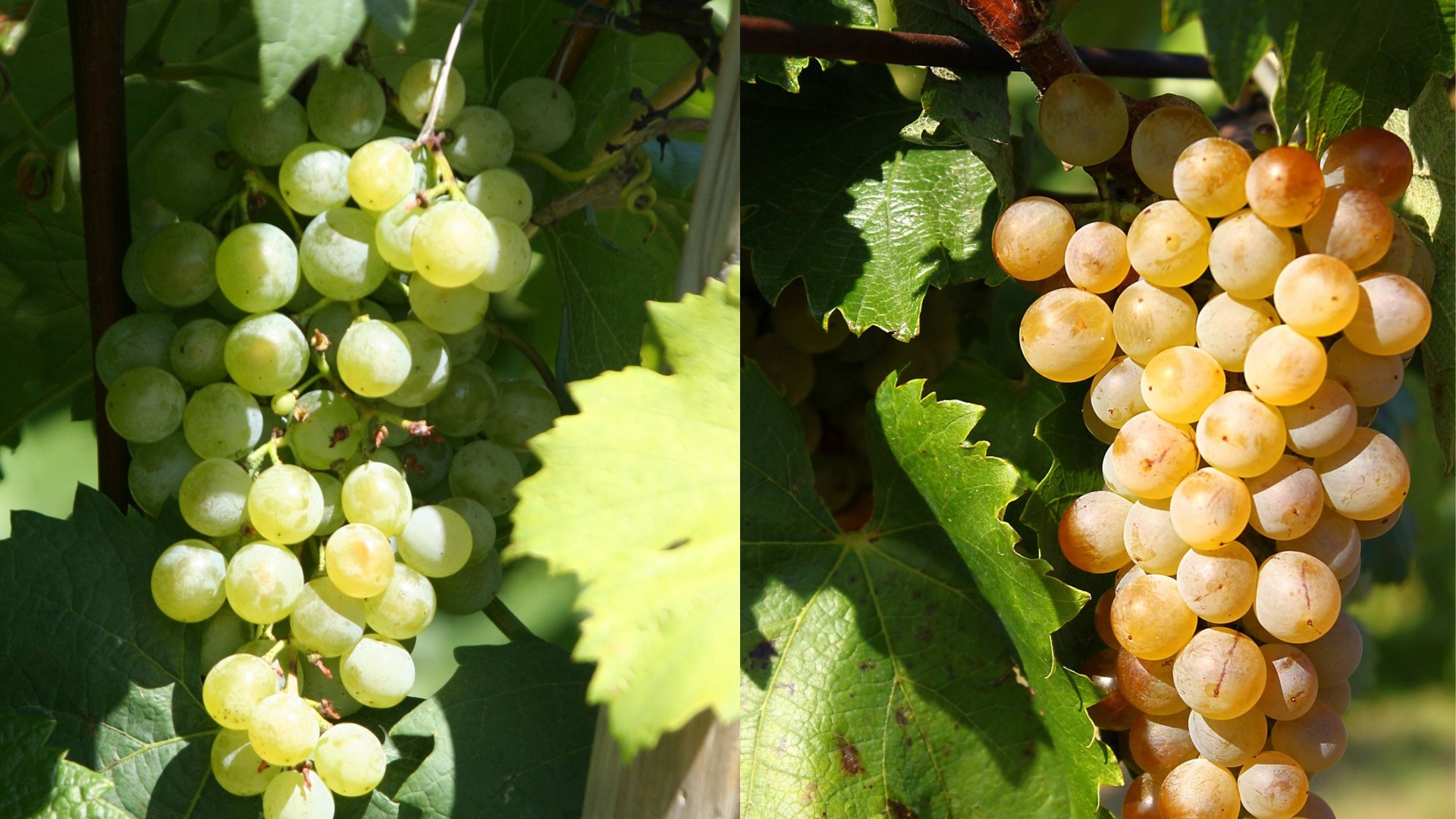
However, alongside the search for and development of new markets, one thing remains an irrefutable truth, the foundation of all success: the winegrower must – regardless of the size of the operation – keep their production costs under control. And that starts in the vineyard. Here, mechanical harvesting is now state of the art in many areas. And with climate change in mind, the so-called PIWI grape varieties will certainly gain in importance. These fungus-resistant – abbreviated to PIWI – grape varieties exhibit high resistance to fungal diseases and enable a significant reduction in the use of plant protection products. They are therefore an obvious complement to traditional grape varieties requiring intensive plant protection. With Regent, the first fungus-resistant red wine variety has already become widely established. Cabernet Blanc, Muscaris, Solaris or Pinotin may well follow.
In the area of fermentation, on the other hand, cooling is a key cost factor. This is particularly true in the production of fruit-forward white wines. The use of modern cooling techniques is an attractive first step in addressing this challenge. A second viable approach would be to use higher fermentation temperatures; however, this results in greater ‘escape’ of the desired aromas due to the CO₂ produced during fermentation. This is where specialised processes come into play, successfully separating these aromas from the CO₂ and returning them to the wine.
More generally, in winemaking technology, thinking in terms of cycles and incorporating all by-products is becoming increasingly important. For instance, the aforementioned fermentation by-product CO2 could be processed directly at the point of origin and used to replace purchased carbon dioxide. It could also be used for the production of alkalophilic microalgae. The biomass obtained from the algae culture could then be used to produce a protein-rich soft drink, the positioning of which would meet modern lifestyle demands and for whose production and marketing the necessary infrastructure and logistics already exist in numerous wine-growing estates. Such a drink is the subject of research at the Chair of Brewing and Beverage Technology (BGT) at the Technical University of Munich in Weihenstephan. But until this or another current vision has come to fruition, a few hectolitres of wine or proxies will certainly still flow down the Rhine.
Trade visitors will find out which of these approaches holds potential for whom, and which raw materials and technologies are required, at BrauBeviale at the Nuremberg Exhibition Centre from 10 to 12 November 2026. Current research projects on alcohol-free wine on the Main Stage, numerous exhibitors offering solutions for modern winery management, a Discovery Bar where proxies, dealcoholised wines and the huge variety of new alcohol-free drinks can be tasted, and exciting pilot projects straight from the vineyard in the Pilot Area. All this makes BrauBeviale an important platform for exchange for winegrowers and winemakers.
Machine Translated
Beyond beer
A post by Andreas Brandl
Dealcoholization
A post by Nina Anika Klotz

Raw material supply
A post by Horst Dornbusch
New grape varieties
A post by Elva Ellen Kowald
