A post by
Yogender Malik
freelance writer specializing in Indian and South Asian industry

Ghana and Nigeria, second most populous nation in West Africa and most populous nation in Africa respectively, have emerged as important and vibrant markets for non-alcoholic malt beverages. Popularity of these drinks has registered steady growth during last ten years. Let’s have a look at the market for non-alcoholic malt beverages in these countries.
Released on 15/09/2026

A post by
Yogender Malik
freelance writer specializing in Indian and South Asian industry
Malt beverages have gained immense popularity in Ghana and Nigeria during last few years. With shifting consumer preferences, demand for flavored, non-alcoholic and health-conscious beverages is rapidly growing. Beverage producers in both the countries are positioning their non-alcoholic malt beverage products for health-conscious and religious consumers who abstain from alcohol.
Malt drinks use similar ingredients to beer—such as barley—but without alcohol. This gives them a familiar flavor but makes them suitable for all ages and regions. In Nigeria, where more than 50% of the population is Muslim, alcohol consumption is restricted, malt drinks have found a strong consumer base. They offer refreshment without the social and religious concerns attached to alcohol.
Malt beverages offer several health benefits, making them a popular choice in many African countries for their health benefits. Malt extract supports the growth of probiotic cultures in the gut, aiding beneficial bacteria that enhance immune function, regulate cholesterol levels, and improve nutrient absorption. Malt also helps regulate cholesterol levels, with studies showing lower levels of bad LDL and VLDL cholesterol compared to other grains. In addition to these, malt drinks also help in mood enhancement. Hordenine, a compound found in barley, contributes to better mood and mental health by activating specific dopamine receptors in the brain.
With an estimated population of more than 240 million, Nigeria is the most populated country in Africa. It is the largest market for non-alcoholic malt beverages in Africa by a large distance. The country accounts for an estimated 60% of the continent’s malt beverage sales.
Often consumed with traditional meals like jollof rice, malt beverages in Nigeria are more than just a refreshment; they are an integral part of the culinary experience. Country’s vast population, religious beliefs, and rising disposable income are driving the consumption on these beverages.
Several brands operate in Nigeria’s malt drink sector, including Maltina, Malta Guinness, Amstel Malta, and Grand Malt. The market features a mix of local and international players. Dutch major, Heineken, through Nigerian Breweries, produces Maltina, which is the oldest malt brand in the country. Guinness Nigeria, owned by Diageo, offers Malta Guinness. Meanwhile, AB InBev, through International Breweries, produces Grand Malt and Beta Malt.
Competition between non-alcoholic malt beverages is fierce. Beverage producers rely on innovation to maintain their market share. Brands regularly introduce new flavors, offer various packaging formats, and highlight health benefits to win new consumers.
Nigeria's economic landscape has not been very conducive for overall beverage industry. Over the last ten years, country’s economy has been characterized by volatility and structural challenges. While, Nigeria offers substantial opportunities for non-alcoholic malt drinks producers, persistent macroeconomic instability has affected the performance of most of the producers. A key economic concern has been the high inflation rate, which has remained in double digits, driven by rising food prices, foreign exchange scarcity, and high energy costs. This has eroded household disposable income, reducing consumer demand for premium products, including malt beverages.
Furthermore, the persistent depreciation of the Nigerian currency naira against major major foreign currencies, especially the US dollar, has posed significant challenges for malt producers, which relies on some imported raw materials, packaging inputs, and machinery. The resultant increase in production costs has squeezed profit margins, forcing the companies to either absorb costs or pass them on to consumers through higher prices.
A member of the Heineken Group, Nigerian Breweries Plc is the largest brewing company in Nigeria. Incorporated in 1946 as "Nigerian Brewery Limited", the company offers a rich portfolio of 19 high-quality brands (such as Heineken, Desperados, Maltina, Life, Amstel Malta, Gulder, Fayrouz and Legend) produced from nine breweries and two malting plants.
One of the most popular malt beverage brands in the country, Maltina was introduced by Nigerian Breweries in 1976, followed by Legend Extra Stout in 1992 and another malt drink, Amstel Malta in 1994. The company has maintained a strong presence in malt beverages, which is one of the fastest growing beverage sub-segment in the country. Competition from rival companies and brands has intensified, compelling the company to adopt aggressive marketing strategies and innovation in packaging and product variants.
In 2025, Maltina strengthened its position in the domestic market with the unveiling of new 250 ml and 500 ml PET bottles, giving consumers different options for different occasions. The company celebrated 50th anniversary of the Maltina brand in Nigeria.
Nigerian Breweries recorded revenue of N1.5 ( naira) trillion for the financial year ending on 31st December 2025. The revenue represents an increase of 35% over the N1.1 trillion recorded in 2024. Gross profit increased from N320 billion in 2024 to N565 billion, representing a 77% increase.
Guinness Nigeria Plc, established in 1962 as a subsidiary of Diageo Plc, a global leader in alcoholic beverages, is the second largest malt beverage producer in Nigeria. Some of its well-known and well-respected brands include, Malta Guinness, Dubic Malta, Guinness Foreign Extra Stout, Guinness Smooth, Orijin Bitters, Gordons Pink Berry, Gordons Orange Sunset, Smirnoff Ice, Smirnoff X1 Choco Vodka, Smirnoff Pineapple Punch, amongst others.
Company’s flagship malt drink, Malta Guinness, which was originally conceived in Cameroon in 1984, is one the most widely distributed malt drink in Africa. According to Guinness Nigeria, Malta Guinness is a hugely successful and profitable brand available in eleven countries – Cameroon, Nigeria, Ghana, Ethiopia, Mauritius, Benin, Burkina Faso, Ivory Coast, Liberia, Gabon, and Togo.
As a subsidiary of Diageo, Guinness Nigeria benefits from strong technical expertise, global best practices, and a deep reservoir of knowledge and expertise.
International Breweries Plc, which is part of the Anheuser-Busch InBev (AB InBev) global group, is rapidly gaining market share. Its non-alcoholic malt offering Beta Malt is increasing its market share in the market. The company has made aggressive inroads into the Nigerian market through competitive pricing and extensive advertising.
Champion Breweries Plc, based in Akwa Ibom State, plays a smaller but regionally significant role in the industry. With its offering Champ Malta, the company serves a niche market in southeastern Nigeria. Now under the strategic direction of Nigerian Breweries through Consolidated Breweries, the company is poised for better distribution and enhanced market share in coming years.
With a population of about 35 million, Ghana is much smaller than Nigeria in terms of population and malt beverages consumption. However, consumption growth of non-alcoholic malt beverages in the country has been very consistent during the last few years.
Ghanaian non-alcoholic malt beverage and overall beverage industry continues to grow notwithstanding the macroeconomic challenges of high inflation and currency revaluation. Last two years have been good from economic growth perspective. The country registered GDP growth of 5.8% in 2025, followed by 6% in 2026.
Malta Guinness, Rasta malt, Vicco malt, Beta malt and Super malt are some of the popular non-alcoholic malt offerings in the country.
Castel Group, one of Africa’s most established beverages companies gained a foothold in the Ghanaian malt beverage market by acquising a majority stake in Guinness Ghana Breweries in 2025. Guinness Ghana, a subsidiary of Diego till the acquisition, produces Guinness Malt in Ghana.
Industry stakeholders are of the opinion that Castel Group’s acquisition of 80.4% of Diageo’s stake in Guinness Ghana Breweries marks an important milestone for the company, particularly from a distribution point of view. With one of the most extensive beverage distribution networks in West and Central Africa, Castel brings deep expertise in last-mile delivery for Guinness Ghana’s products.
Accra Brewery, a subsidiary of AB InBev, produces Betamalt, one the most popular non-alcoholic malt beverages in the country. The brand, which completed 35 years of its operations in the country, has gained immense popularity in rural areas in the country.
A number of factors have influenced the malt beverages consumption in both the countries. Some of these factors have acted as strong demand driver for these beverages.
There is a noticeable shift in consumer preferences in Nigeria and Ghana towards healthier drink options. The increasing health consciousness among vast section of population, especially younger consumers and urban dwellers, has driven demand for malt drinks, and non-alcoholic alternatives. Malt beverage producers have responded to this trend with products like Malta Guinness and non-alcoholic variants of established brands.
Health benefits of malt beverages have played a key role in the popularity of these drinks in both the countries and wider African continent. Producers of malt drinks emphasize the health benefits of their beverages. For instance, Nigerian Breweries promotes the presence of soluble fibers in malt drinks, which help improve digestion. Malt drinks are also rich in vitamins like B6, as well as potassium and folate, which support heart health by helping to lower cholesterol levels. These health benefits attract a wide range of consumers, especially those who are actively seeking drinks that not only taste good but also offer nutritional value.
As consumers in these countries increasingly focus on healthier lifestyles, malt beverages have become a go-to option. Natural sugars and high water content in these drinks make them ideal for hot climates, where staying hydrated is crucial.
An emerging trend in the malt beverage market of Ghana and Nigeria is the rise of energy-infused options. Younger consumers, seeking an energy boost, are the major consumer of these beverages, which combine the nutritional benefits of malt with the energizing effects of ingredients like caffeine and taurine. These drinks primarily cater to Gen Z consumers, offering both energy and nutrition in a single product. This trend is expanding the reach of malt beverages into new market segments.
Packaging is becoming an important factor in the malt drinks business in both the countries. Traditionally, glass bottles dominated the market, but in recent years modern and accessible packaging options like aluminum cans and PET bottles have gained significant market share. In Nigeria, popular brands like Maltina, Malta Guinness, and Amstel Malta have all introduced aluminum cans to make their drinks more convenient for on-the-go consumers.
PET bottles, on the other hand, are favored by local brands aiming to offer affordable options. This shift in packaging not only improves the convenience of these drinks but also makes them more appealing to a growing consumer base.
Nigeria and Ghana are expected to play a crucial role in the future growth of non-alcoholic malt beverages in Africa, especially as malt drinks continue to gain market share due to health benefits as compared to alternatives such as carbonated and alcoholic beverages. With ongoing innovation in flavors, packaging, and product types, malt drinks are well-positioned to drive the beverage market growth in both the countries for years to come.
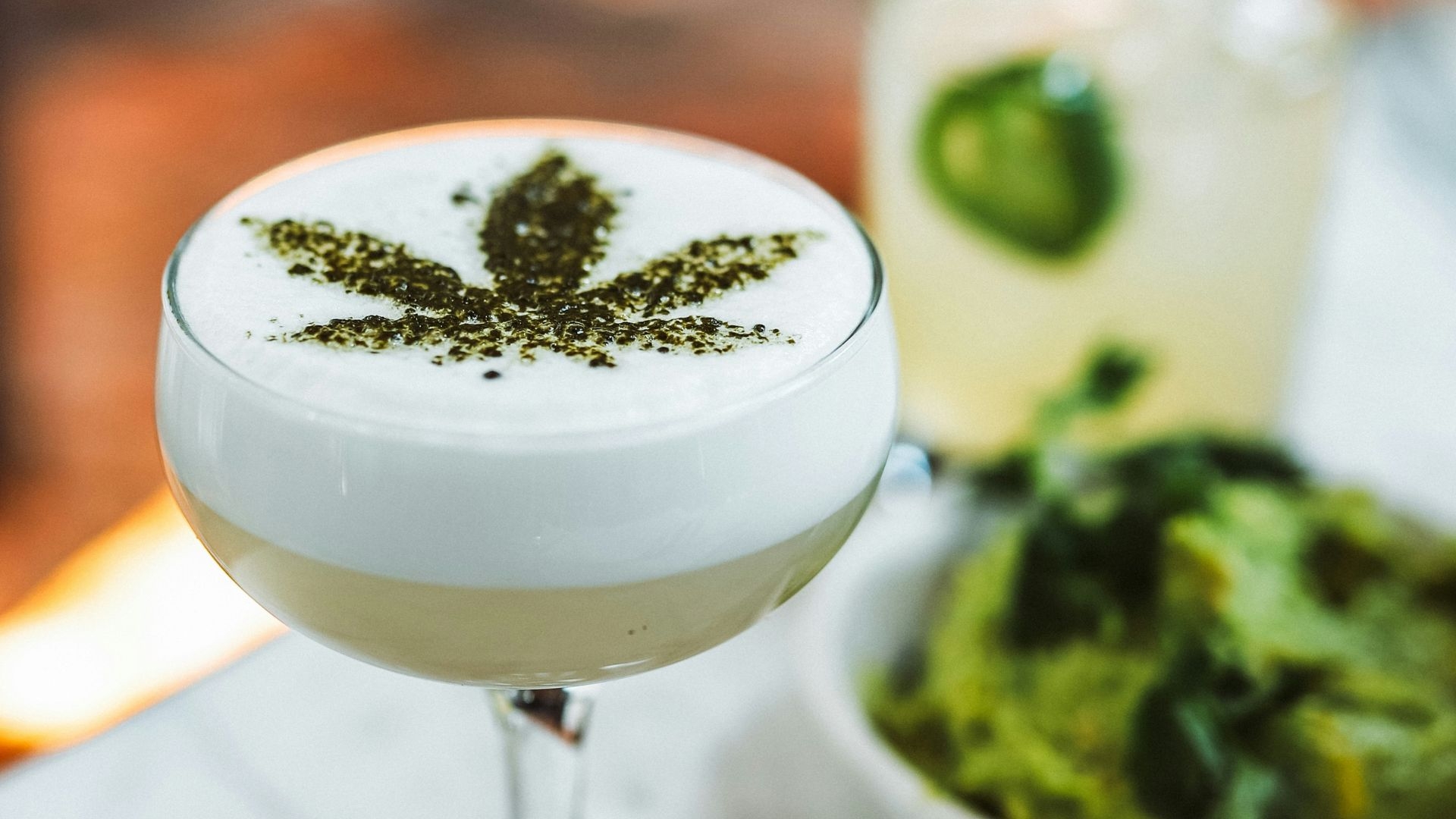
Cannabidiol
A post by Nina Anika Klotz
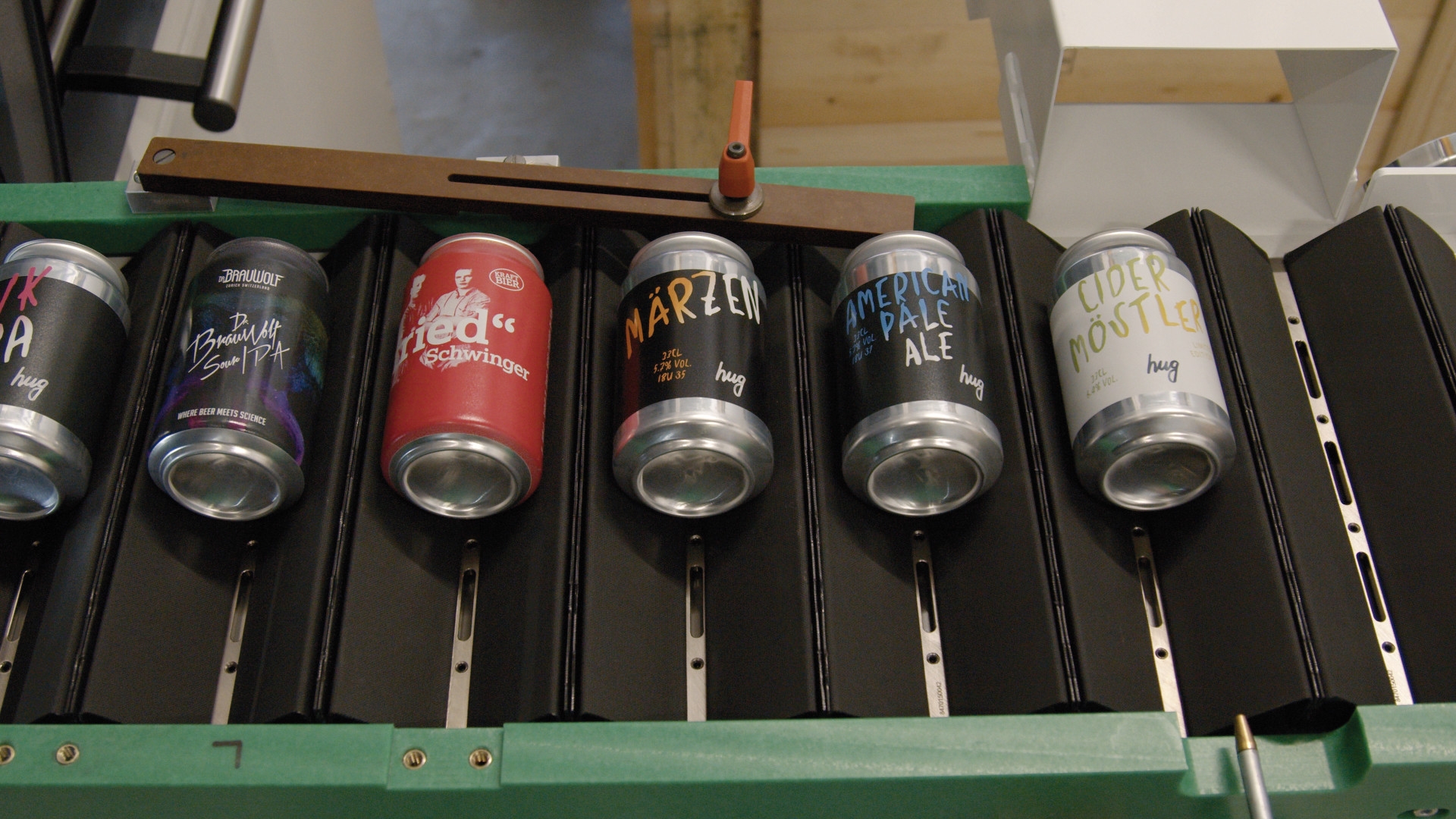
Lot size 1
A post by Patrick Schweizer

precision fermentation
A post by Lucia Baier
Key topic of BrauBeviale 2026
A post by Dr. Jörg Bückle
