A post by
Yogender Malik
freelance writer specializing in Indian and South Asian industry
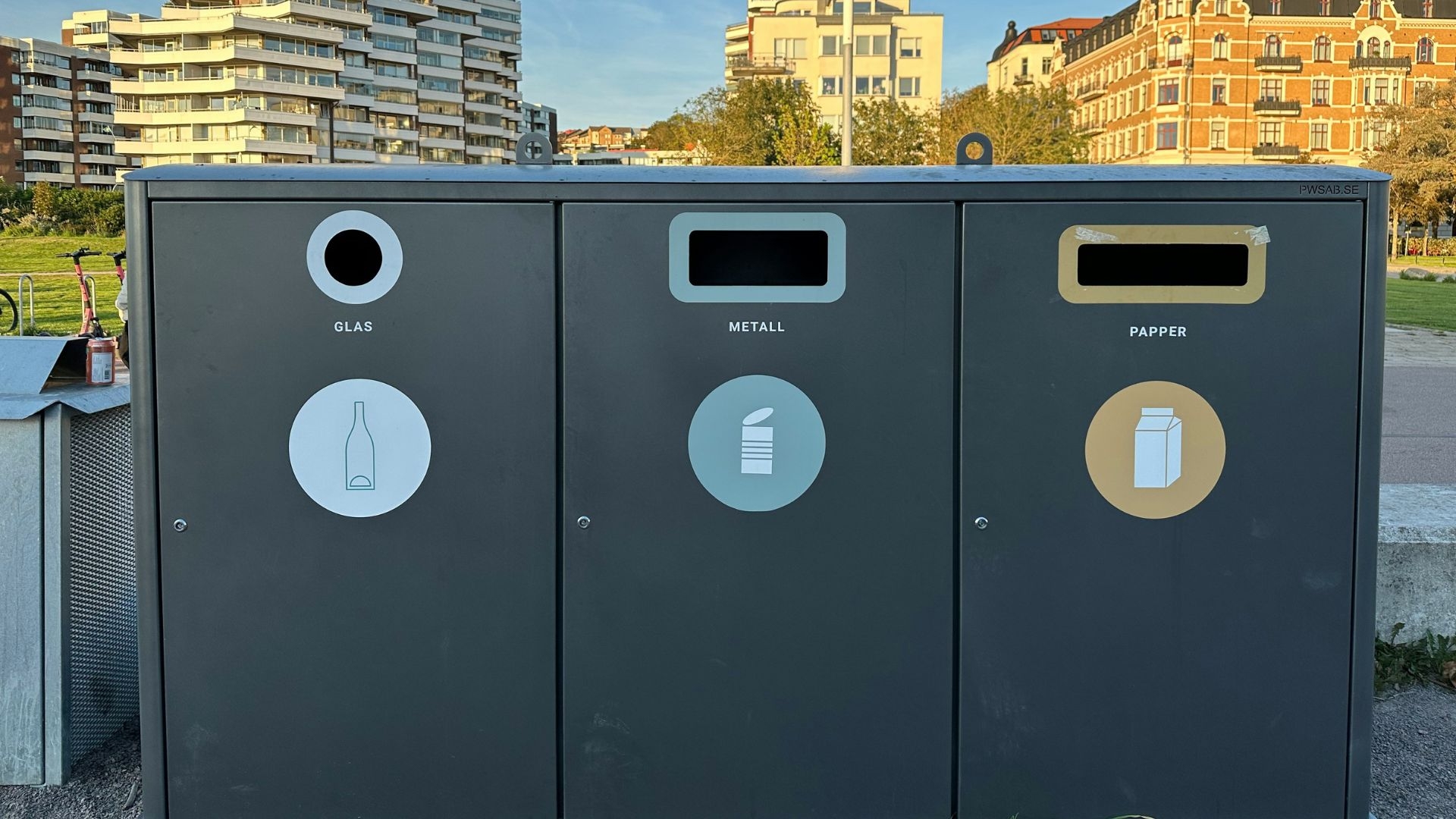
A deposit return system for reusable bottles first established as far back as 1902. Three of the most efficient deposit return systems worldwide. Highest recycling rates and minimal loss in the processes. Impressive achievements in the packaging industry. Time to take a closer look at the circular packaging for beverages in the three Scandinavian countries Denmark, Sweden and Norway.
Released on 03/11/2026

A post by
Yogender Malik
freelance writer specializing in Indian and South Asian industry
With a population of about 21 million, three Scandinavian countries – Denamrk, Sweden, and Norway – are major consumers of beverages, resulting in huge industry for packaging of these products. Scandinavian beverage industry is characterized by high per capita consumption in both the major segments (alcoholic and non-alcoholic) of the beverage industry.
Packaging industry in these countries has continued its transformation towards innovative, sustainable, and highly recyclables options for very long.
Circular packaging has emerged as one of the topmost priorities of the regional beverage and packaging producers. Beverage producers have worked diligently in designing, sourcing, and disposing their packaging in a manner, which is helpful in reducing the environmental impact and embraces circularity.
Sweden is the largest beverage packaging market on account of its large beverage sector and highest population among the three countries, followed by Denmark and Norway in that order.
High awareness and sensitivity towards ecological sustainable packaging options has had a significant influence on purchasing decisions by end-users in beverage industry in these countries. A majority of consumers choose beverage products that are packaged in recyclable, decomposable, or compostable formats. This trend is expected to keep momentum for the foreseeable future. These countries are setting high benchmarks in beverage packaging and recycling for other European countries to follow.
The alcoholic beverages market in the Scandinavian countries is characterized by diverse trends influenced by economic conditions, regulatory environments, and shifting consumer preferences, which are increasingly focused on health and quality, preferring fewer but higher-quality products.
Beer is the most popular alcoholic beverage in the Sacanadnavian countries, resulting in the production and consumption of high number of container glass and aluminium cans for packaging.
Scandinavian countries are significant consumers of non-alcoholic beverages. Dominated by metal cans and PET packaging, non-alcoholic segment is expected to play a major role in the future growth of overall beverage industry in the region.
Sweden
With total sales of 510 million litres in 2024, Sweden is the largest (consumer) beer market among the three countries. Spendrups Bryggeri and Carlsberg Sverige AB are the market leaders.
In terms of volume, Wine is the second largest sub-segment of alcoholic beverages in Sweden. The country registered total sales of about 242 million litres of wine in 2024. Packaging options for wine are limited as compared to other alcoholic beverages. Majority of wine is sold in specialty container glass bottles, made especially for wine industry.
Spirits, the smallest among the three major sub-segments of alcoholic beverages registered total sales of about 28 million litres in Sweden in 2024. Whiskey is the category leader in volume, followed by white spirits.
Denmark
Denmark is the largest beer producer among the Scandinavian countries. With total production of 649 million litres, the country registered a marginal increase of 1.1% over the previous year. Exports account for a significant proportion of total beer production in Denmark.
Wine is the second most popular alcoholic beverage in Denmark. With a total consumption of 164.3 million litres in 2024, the country is among the highest per capita wine consumers.
Spirits consumption was 20.86 million litres in 2024. Compared to other two sub-segments of alcoholic beverage industry, spirits have registered lower growth in recent years.
Norway
With a population of 5.60 million, Norway is the least populated country among the three Scandanaian countries covered in this article. Beer is the favourite beverage of Norwegians. With a consumption of 267.1 million litres of beer in 2024, beer industry registered a growth of 1.3% over the previous year.
Wine consumption at 91.2 million litres and spirits consumption at 13.1 million litres were the second and third largest categories of alcoholic beverages. In Norway, a state monopoly called Vinmonopolet has exclusive rights to sell retail alcohol over 4.75% – for example, wine, spirits, and strong beer. They have over 350 stores.
Different return schemes for bottles and beverage containers have produced good results in all the three countries. For example, plastic beverage bottles, with other beverage containers, are subject to extended producer responsibility under the Norwegian Waste Regulations.
Beverage packaging in the country is subject to two specific taxes: Basic tax on single-use beverage packaging, which applies to all non-reusable beverage containers and is charged per unit. Environmental tax, which is variable and depends on the material of the packaging (e.g., plastic, aluminum, glass) and the return rate achieved by the PRO (i.e., how much packaging is collected through the take-back system). The higher the return rate, the lower the environmental tax. If the return rate exceeds 95%, the tax is reduced to zero.
Regarded as the world role model for beverage container recovery and recycling, Norway’s deposit return system is one of the most efficient in the world. It was one of the very first countries in the world to establish a deposit return system for reusable bottles, with a system for reusable glass containers first established as far back as 1902. Automated return of glass bottles through reverse vending machines (RVMs) first came into play in the early 1970s. The system for non-reusable or “one-way” containers – including cans and PET – was implemented in 1999.
In Sweden, more than three billion aluminium cans and PET bottles were returned through Sweden’s deposit return system (DRS) in 2025, 130 million more than the previous year. On average, every person in Sweden returned 283 containers, a 4% increase from 2024. Sweden’s return rate also rose to 88.4%, approaching the national target of 90%, according to the data from Returpack, the operator of the country’s DRS.
“When aluminium cans and PET bottles are returned through the deposit system instead of general packaging recycling, their carbon footprint is cut in half. The material stays in closed recycling loops, preserving its quality so it can become new packaging again and again. This reduces the need for virgin raw materials,” says Sara Bergendorff, head of sustainability and quality at Returpack.
The Danish deposit system is one of the world's most effective deposit systems and is operated non-profit. Dansk Retursystem, which operates the deposit system, through which deposited bottles and cans are recycled into new beverage packaging is a non-profit organization. According to Dansk Returnsystem data, every day, 5.8 million bottles and cans are deposited, which are collected and sorted before the materials are sent for recycling.
In 2024, over 93% of all bottles and cans were returned, an increase of 1% compared to last year, when Danes returned 92%. This puts the Danes at the absolute top of the world when it comes to returning. In 2024, 2.1 billion bottles and cans were returned, which corresponds to every Dane returning a bottle or can every day.
"We are proud to operate a world-class deposit system in Denmark. We have an efficient and optimized packaging collection system with minimal loss in the processes, and this allows us to ensure a circular economy for bottles and cans with deposits," says Dansk Retursystems CEO Kasper A. Schmidt.
Container glass is the most popular choice for beverage packaging in Scandinavian countries. Some sub-segments of beverage industry are entirely dependent on this medium of packaging for their products. The Container glass industry in these countries is at the forefront of sustainable packaging, particularly through its emphasis on reusability and endless recyclability. Glass stands out as the only packaging material with a significant return rate for refilling, embodying a truly circular economy model.
In Scandinavian countries, glass packaging maintains a strong position in the overall beverage packaging market. Within the beverage market, glass achieves the largest market share with 38%. This is particularly evident in segments like beer (nearly 65% market share) and wine (90% market share), where glass remains the predominant packaging material. The adoption of glass packaging has also increased notably for bottled water and soft drinks, particularly in on-trade sales.
With a per capita consumption of 21 kg of container glass, Sweden is among the highest per-capita user of glass bottles globally. Dominated by Swedish Glass Recycling (Svensk Glasatervinning AB), the only reprocessing plant for recycled glass in Sweden, country’s container glass industry has achieved a recycling rate of more than 90%.
In addition to its reusability through deposit return schemes, glass packaging also boasts superior recyclability compared to other materials. In 2023, 81% of glass packaging was collected for recycling across the entire European Union (EU), with some member states exceeding 90%. This high recycling rate underscores the remarkable sustainability of glass packaging, as it can be endlessly recycled without losing quality. Unlike other packaging materials, glass maintains its value through repeated recycling cycles, making it one of the most environmentally friendly packaging options available.
One of the most high tech, resources efficient and shaped by collective environmental sensitivity, Scandinavian packaging industry for beverages has achieved high recycling rates. Future of beverage packaging in these countries will not only be decided by the volume and growth, but by sustainability and ability of the stakeholders (beverage and packaging producers) to deliver highly recyclable options.
Currently, all the Scandinavian countries operate highly successful and efficient deposit return systems for beverage packaging. These arrangements, along with respective government’s regulations have been major drivers in achieving high recycling rates for beverage packaging. In order to facilitate high recycling, beverage producers have started opting for simple and uncomplicated design.
Friction losses
A post by Alexander Kaiser
Experience database
A post by Markus Windisch
Lot size 1
A post by Patrick Schweizer
Automatisation
A post by Helmut Brunner
