A post by
Dr. Jörg Bückle
Freelance author and industry expert
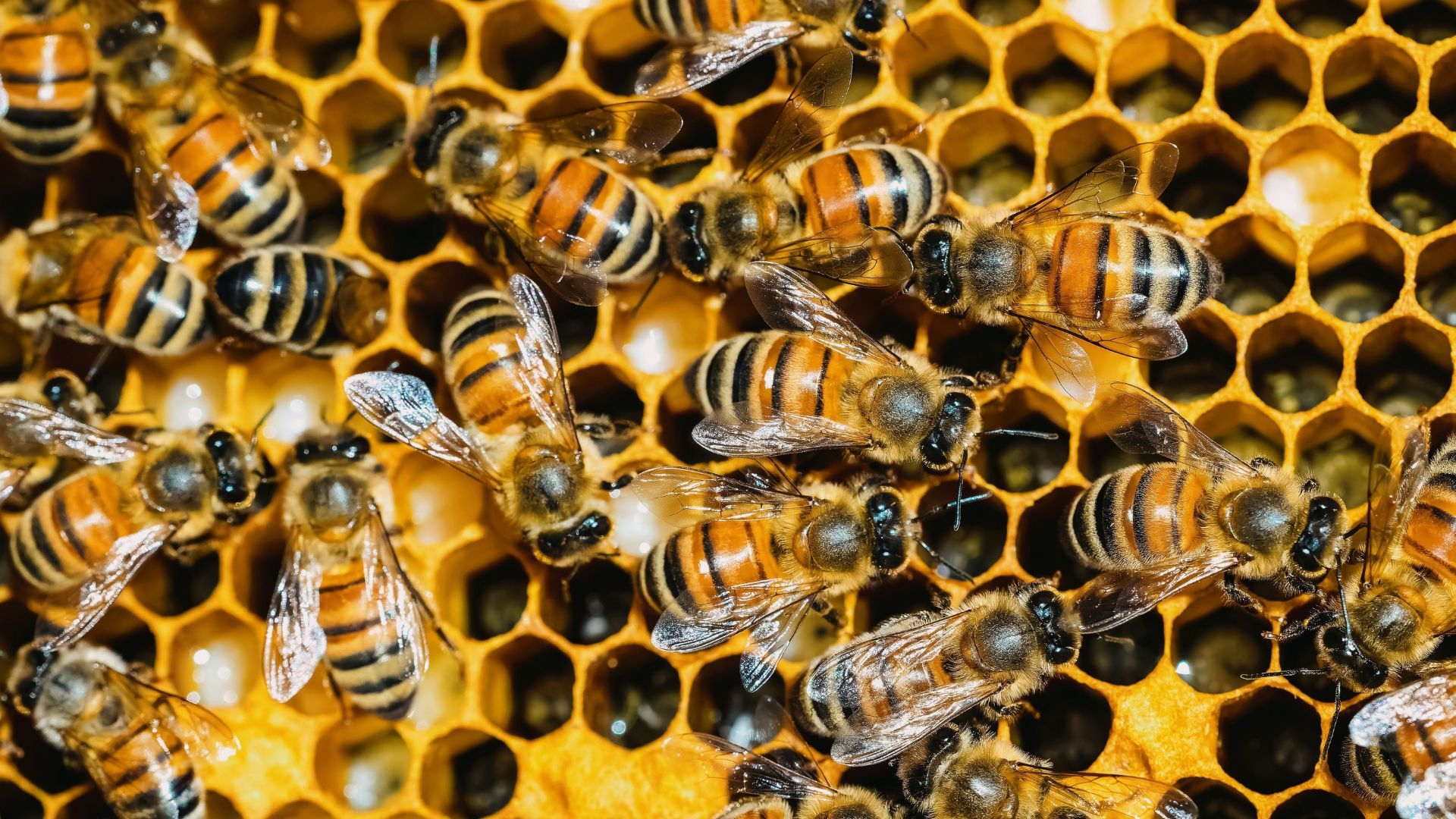
What does a beehive have to do with drinks production? To what extent are fungal cultures, lactic acid bacteria and acetic acid bacteria now playing a part in the drinks industry? And where else might fermentation be used creatively in the future? This article offers an insight into the diverse world of alternative fermented products.
Released on 07/10/2026
A post by
Dr. Jörg Bückle
Freelance author and industry expert
Fermentation has probably been part of human life since the very earliest times. Beer and wine are certainly among the best-known examples of this. However, fermentation does not necessarily result in the production of alcohol. Against the backdrop of increasingly popular modern dietary trends – such as Scandinavian cuisine, Asian culinary traditions, longevity and the microbiome – alternative fermented foods are currently gaining significant popularity worldwide.
Broadly speaking, four main types of fermentation are distinguished. The first is the alcoholic fermentation already mentioned. In this process, yeasts convert sugar into ethanol, as well as other flavour compounds and CO₂, in the absence of oxygen. In lactic acid fermentation, lactic acid bacteria also convert sugars into primarily lactic acid in the absence of oxygen. A notable example of a drink produced in this way is the Turkish beverage ayran, a yoghurt mixed with water and salt.
Acetic acid bacteria, on the other hand, require oxygen to respire ethanol into acetic acid. This is therefore also referred to as oxidative fermentation. In the fourth process, the targeted use of fungal cultures produces enzymes that break down proteins and carbohydrates, thereby creating the typical umami flavour of miso paste. Speaking of miso paste: this is currently being used, amongst other things, in non-alcoholic cocktails and trendy coffee specialities. In addition, there are hybrid forms involving yeast-and-bacteria fermentations, as well as specialised fermentation mechanisms carried out by individual microorganisms in combination with specific substrate and process parameters.
But first, let’s look at mixed fermentations, which already have a long tradition as beverages such as kvass, kefir or kombucha. In principle, kvass, kefir and kombucha differ in the source of their sugary substrate. In kvass, this is traditionally sourdough rye bread dissolved in water; in kombucha, a sweetened tea extract; and in kefir, usually cow’s milk. A special variant, on the other hand, is so-called ‘water kefir’, which is based on sweetened drinking water, often with the addition of dried fruit. The second difference between kvass, kefir and kombucha lies in the yeast and bacterial cultures used, which, depending on how the fermentation is managed, result in different spectra of alcohol, CO₂, aromas and acidity in the finished products.
Amongst other things, wineries have long been successfully producing kombucha-based cuvées made from grapes, field vegetables and herbs. “This creates lively fermented beverages with structure, a balance of acidity and a long finish, entirely without the technical intervention of dealcoholisation,” says, for example, Sven Leiner from the Leiner Winery in Ilbesheim, Palatinate.
In the USA, ‘hard kombucha’ is also quite popular. Unlike ‘soft’ kombucha, this undergoes a second fermentation to convert sugar into alcohol, aromas and CO₂, just as in sparkling wine. Whilst these products are then only reduced-alcohol, various yeasts – such as champagne yeast – can be used to achieve diversity in flavour and marketing.
Osmotolerant, gluconic acid-producing bacteria from beehives are also of interest. These are already adapted to high sugar concentrations; furthermore, they have lost the ability to oxidise ethanol into acetic acid, but convert glucose into gluconic acid, which is of sensory interest. They therefore enable the economically advantageous fermentation of undiluted or concentrated fruit juices.
On the one hand, the breakdown of sugar during these fermentation processes reduces the calorific value of the products. On the other hand, the natural formation of acid eliminates the need for additional preservatives and gives rise to novel flavour compounds in fruit juices. These fermented products can thus expand the flavour palette of soft drinks as sugar-reduced, non-alcoholic beverage ingredients.
This is an approach that has been pursued for years in the development of the Bionade drink. In the patented production process, Gluconobacter oxydans – isolated from kombucha – ferments the sugar glucose not into ethanol, as in beer brewing, but into gluconic acid. Similar to beer production, the raw materials used are malt and water, to which glucose or a glucose-containing sugar is added. Alternatively, tea-like plant extracts can be used.
The actual fermentation then takes place in an aerobic environment. After ageing and filtration, CO₂, sweeteners and, depending on the flavour, natural flavourings are added. The gluconic acid acts as a natural preservative and provides a pleasant tartness, which forms the flavour base of the finished product.
The Kuchlbauer brewery in Abensberg, Bavaria, also utilises a special form of fermentation. Together with researchers from the Technical University of Munich/Weihenstephan, it has developed a novel non-alcoholic wheat beer. What makes it special is the yeast: it was isolated from the bark of a Munich ash tree and is known as Saccharomyces jurei. This yeast ferments glucose, fructose or sucrose rapidly, but pauses for a long time before converting maltose and maltotriose – and even then only slowly or, in some cases, only partially. A charming approach in brewing technology for producing beverages with an alcohol content of less than 0.5 per cent by volume. Sensory analysis describes the finished product as distinctly phenolic and wheat-beer-like, with a significantly less pronounced malty character compared to a fermentation that has been halted.
In the context of ‘low-alcohol’ fermentation, so-called Crabtree-negative yeasts are also coming to the fore. Like traditional brewing yeasts, they metabolise the sugar contained in the wort into alcohol under anaerobic conditions, i.e. in the absence of oxygen. Unlike their traditional counterparts, however, they halt alcohol production as soon as they find themselves in an aerobic, i.e. oxygen-rich, environment. They then produce flavour compounds, but no alcohol. These flavour compounds have, for example, a masking effect on the malt flavours often characteristic of non-alcoholic beers. By maintaining an aerobic environment during fermentation, it is therefore possible to produce beverages with 0.0 per cent alcohol by volume without a separate dealcoholisation step.
Precision fermentation goes even further: through selection or genetic reprogramming, microorganisms in a bioreactor can produce a wide variety of food and pharmaceutical ingredients from a substrate under strictly specified process parameters. These ingredients offer users a colourful array of possibilities. For example, precision fermentation has long made it possible to produce cheese varieties or burger patties from proteins that have never come into contact with an animal – and which also taste great.
Trade visitors to last year’s drinktec in Munich were able to examine another example: a hop aroma produced using a patented precision fermentation process.
Instead of relying on traditional hop cultivation – which is dependent on weather conditions, harvest cycles and supply chains – this approach uses specially selected yeast strains that fermentatively produce the same aroma compounds found in hops. According to the manufacturer, the result is a sustainable, reliable and high-quality hop flavouring that meets the beverage industry’s growing demands for availability, consistent quality, efficiency and environmental responsibility. The hop flavouring is suitable for both alcoholic and non-alcoholic beers and beverages, and also enables producers to create entirely new lifestyle products.
Alternative fermentates therefore open the door for the beverage industry to offer consumers extraordinary sensory and physiological experiences. The potential is certainly there. As is the opportunity to find out first-hand about the current state of play – from 10 to 12 November 2026 at BrauBeviale in Nuremberg.
At the Discovery Bar in Hall 6-281, you can sample these new possibilities for yourself. Over 50 innovative beverage creations will be presented there directly by the manufacturers themselves. They’re just waiting to strike up a conversation with you.
Machine translated
Discovery Bar
A post by Lucia Baier
Functional beverages
A post by Annick Seiz
Automatisation
A post by Helmut Brunner

Quality assurance
A post by Dr. Jürgen Hofmann
